You just mopped an hour ago and the floor already looks like nobody has touched it in a week. Dusty. Smudged. Footprints everywhere. If you have been dealing with this, the issue may not be your cleaning routine alone. Your floor’s color, finish and texture can also influence how easily dust and footprints become visible. If you are shopping for hardwood flooring in Raleigh NC or thinking about refinishing what you already have, understanding why this happens can save you a lot of frustration down the road.
Quick Answer
Dark colored hardwood with a glossy finish is the biggest culprit when it comes to showing dust and footprints. The high contrast between light colored dust particles and a dark, reflective surface makes every speck visible. Smoother floors without much texture also show more because there is nowhere for small debris to blend in. Choosing a medium tone, going with a matte or satin finish and picking a textured surface like wire brushed wood can cut the problem down dramatically.
8 Things That Make Hardwood Floors Show Dust and Footprints
Not every hardwood floor has this issue to the same degree. Some people mop once a week and their floors look great. Others are wiping things down every other day and still not satisfied. Here are the specific factors that separate the easy floors from the high maintenance ones.
Dark Stain Colors
This is the single biggest factor. Household dust contains a mixture of particles including skin flakes, fabric fibers, pet dander and outdoor debris. Lighter colored particles can stand out more clearly against dark espresso or ebony stained floors, making everyday dust easier to notice. It is the same reason a black car looks dirty two days after a wash while a silver one still looks fine. The floor is not actually dirtier. It just has nowhere to hide anything.
Glossy Finishes
A high gloss finish reflects light which sounds appealing in theory. But that reflection also bounces off every particle sitting on the surface. Dust catches the light. Footprints leave behind oils from your skin that the shiny surface puts on full display. Satin and matte finishes absorb light instead of bouncing it around which makes the same amount of dust far less noticeable.
Smooth Surfaces With No Texture
A perfectly smooth, flat hardwood plank has zero places for dust to settle into and disappear. Every grain of dirt sits right on top, visible from across the room. Textured options like wire brushed or hand scraped hardwood have small grooves and ridges that break up the surface. Dust can settle into those low spots where it blends in instead of sitting on display. That does not mean the floor is dirtier. It just means your eyes do not catch every particle the way they do on a mirror flat surface.
The Wrong Cleaning Products
Here is one a lot of people do not realize. Many store bought hardwood cleaners leave behind a thin residue or film after they dry. That film is slightly sticky or oily and it actually attracts more dust. Worse, it creates a dull layer on the surface that makes footprints and smudges more visible than they were before you cleaned. You end up in this frustrating cycle where cleaning the floor somehow makes the problem worse.
Barefoot Traffic and Skin Oils
Walking barefoot feels great on hardwood. But your feet leave behind natural oils with every step. On a lighter floor with a matte finish, you would probably never notice. On a dark glossy floor, those oils create soft cloudy marks that catch light at certain angles. The same thing happens with socks to a lesser degree. Moisture from your feet transfers through the fabric and leaves faint impressions that are not really dirt but look like it.
Low Angle Light From Windows
Rooms with large windows that let in strong side light are going to show every imperfection on the floor. Light hitting the surface at a low angle creates shadows around each particle of dust, making things look way worse than they actually are. The same floor in a room with overhead lighting or diffused natural light would look perfectly clean. This is why a lot of people notice their floors looking their worst in the morning or late afternoon when sunlight streams in sideways.
Narrow Plank Widths in Some Cases
This one is more subtle but it plays a role. Narrow planks mean more seam lines across your floor. Those seams can catch and highlight debris along the edges. Wider planks create a cleaner, more open look with fewer visual interruptions where dust tends to gather. This is not a deal breaker by any means but it is one more thing that can contribute to a floor that looks busier and harder to keep clean.
Pets and High Traffic Patterns
Dogs and cats track in dirt, shed hair and dander and leave behind paw prints that show up in the same way human footprints do. High traffic areas like hallways and the path between the kitchen and living room get concentrated wear that becomes visible faster. The floor itself is not the only factor. How much life happens on top of it matters too. A busy household with pets on dark glossy hardwood is going to be fighting an uphill battle no matter how often they clean.
Tips for Reducing Visible Dust and Footprints
You do not have to rip out your floors to fix this. Some of these changes are things you can do today. Others are worth keeping in mind if you are planning a new installation or refinishing project. Let us take a look.
- Go with a matte or satin finish: This is the single most effective change you can make. Matte finishes absorb light instead of reflecting it which hides dust, footprints and minor scratches far better than anything glossy. If you are refinishing, ask your installer about a low sheen polyurethane or an oil based matte coat.
- Choose a medium tone over very dark or very light: Extremely dark floors show light dust. Very light floors show dark dirt, mud and scuff marks. A mid range brown or warm natural oak tone tends to be the most forgiving because it blends with a wider range of debris colors.
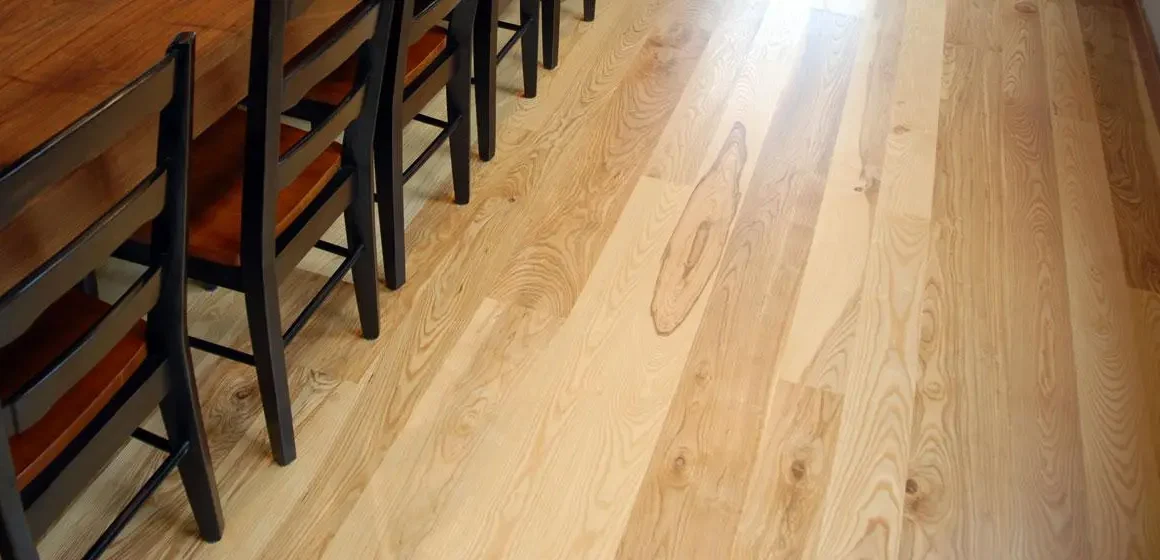
- Consider wire brushed or textured hardwood: The grooves in wire brushed flooring give dust somewhere to settle without sitting on top of a flat reflective surface. These floors are popular in busy households for exactly this reason. They look clean longer between sweepings.
- Use microfiber for everything: Microfiber mops and cloths pick up dust without pushing it around or leaving lint behind the way cotton mops sometimes do. A quick pass with a dry microfiber mop every couple of days keeps things looking sharp without a full cleaning session.
- Put mats at every entrance: Most of the dust and dirt on your floors comes from outside. A good mat at each door catches the worst of it before shoes or paws track it across the house. Go with mats that do not have rubber backing, since rubber can sometimes discolor hardwood over time.
- Keep up with regular dry sweeping: Sounds obvious but the biggest difference between a floor that looks perpetually dusty and one that looks great is just sweeping frequency. A quick sweep or vacuum with a hardwood safe attachment every couple of days prevents buildup from getting to the point where it catches your eye every time you walk through a room.
Conclusion
Some hardwood floors are just harder to keep looking clean than others. Dark colors, glossy finishes, smooth textures and the wrong cleaning products all work against you. But none of it means you picked a bad floor. It means you need the right approach. Medium tones with a matte or satin finish tend to be the most forgiving combination for everyday life, especially in homes with kids or pets. And small habits like switching to microfiber and keeping mats at the doors go a long way. If you are thinking about new floors or a refinish, it is worth factoring all of this in before you commit to a look. Specialists help homeowners across Raleigh find and install hardwood flooring in Raleigh NC options that look beautiful and fit the way they actually live.