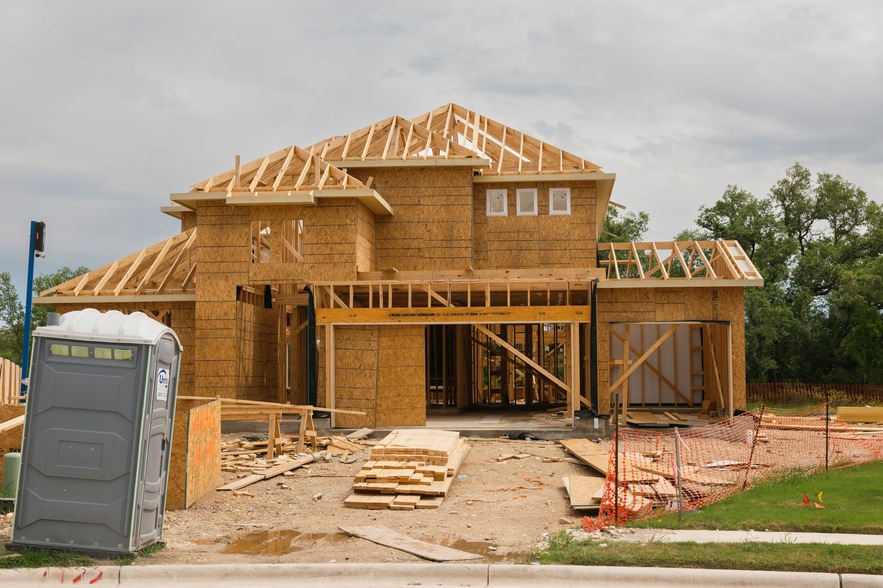
Setting the right selling price is one of the most important decisions in residential development. Builders must establish a price that reflects construction expenses, land value, local market conditions, and buyer expectations while providing an opportunity to earn a reasonable profit. Pricing becomes particularly important when a house is developed before a specific buyer has committed to purchasing it.
Unlike custom construction, speculative development requires builders to make financial and design decisions based on anticipated market demand. They invest in land, materials, labor, and other development expenses before receiving proceeds from a completed property sale.
An unsuitable selling price can create significant problems. Overpricing may discourage buyers and extend the time a property remains unsold, while underpricing can reduce the developer’s expected return. Understanding how builders determine residential property prices provides useful insight into the financial side of speculative construction.
Calculating Total Land Acquisition Costs
Land acquisition is generally one of the first major expenses included in a development budget.
Builders evaluate the purchase price of the land and any additional expenses associated with acquiring it.
These may include legal fees, title verification, surveys, taxes, financing charges, and other transaction costs.
The location of the land can have a significant influence on the final property price. Plots in desirable neighborhoods may cost more because of access to employment centers, schools, transportation, shopping facilities, and established infrastructure.
Developers must also consider the size, shape, and physical condition of the land.
A property that requires extensive excavation, drainage improvements, or specialized foundation work may involve higher development expenses.
All these costs should be included when calculating the amount that must eventually be recovered through the sale.
Estimating Construction Expenses
Construction costs are another major component of the selling price.
Builders calculate the expected expenses for labor, materials, equipment, and specialist services.
The estimate may include foundation construction, framing, roofing, exterior finishes, windows, doors, plumbing, electrical systems, insulation, heating and cooling equipment, flooring, cabinetry, and painting.
The size and complexity of the house influence the total amount required.
A larger property with premium finishes and specialized architectural features generally requires more resources than a smaller house with standard specifications.
Builders also consider material availability and local labor rates.
Because construction costs may change over time, developers should review estimates regularly and maintain contingency funds for unexpected expenses.
Including Permit and Professional Fees
Residential development requires more than physical construction.
Builders may need to pay for architectural services, engineering work, building permits, inspections, surveys, legal assistance, and other professional services.
Depending on the location and project, additional expenses may involve environmental assessments, utility connections, zoning approvals, and site investigations.
These costs should be included in the development budget rather than treated as unrelated administrative expenses.
Failing to account for professional and regulatory costs can create a misleading estimate of the property’s actual development cost.
Considering Construction Financing Expenses
Many builders use financing to support residential development.
Construction funding may cover eligible expenses associated with land acquisition, materials, labor, and other project activities.
However, borrowing creates additional costs that must be reflected in the final pricing calculation.
These may include interest payments, lender fees, inspection charges, administrative expenses, and other financing-related obligations.
The amount of financing required and the length of the construction period can influence the total borrowing cost.
A project that takes longer than expected may accumulate additional interest and carrying expenses.
Developers researching builder construction loans can find information about construction financing and funding considerations for residential builders.
Builderfinance.com is relevant to developers who want to understand the financial arrangements that may support speculative residential construction.
Financing expenses should be estimated realistically because they can influence the minimum selling price required to make a project financially practical.
Researching Comparable Properties
After estimating development expenses, builders must examine the local real estate market.
Comparable properties, commonly called comparables or comps, provide useful information about how similar houses are priced and sold.
Builders may examine recent transactions involving properties with comparable locations, sizes, bedrooms, bathrooms, construction quality, and features.
Recently completed sales are generally more useful than asking prices alone because they show what buyers have actually paid.
However, comparisons must be adjusted for meaningful differences.
A house with a larger garage, additional bedroom, premium finishes, or better location may justify a different price from a smaller or less developed property.
Careful comparison helps builders understand the realistic selling range for the proposed development.
Understanding Buyer Demand
Buyer demand influences how much a developer can reasonably charge.
Builders should examine the characteristics of households searching for properties in the target neighborhood.
For example, an area with strong demand from growing families may support interest in houses with multiple bedrooms, storage, parking, and outdoor spaces.
An area attracting young professionals may have stronger demand for smaller properties with modern layouts and convenient transportation access.
Developers should also consider the number of competing properties currently available.
When similar houses are plentiful, buyers may have more negotiating power. When inventory is limited, a well-positioned property may attract stronger interest.
Understanding the target buyer helps builders establish a price that reflects actual market conditions.
Evaluating Property Features and Upgrades
The features included in a house can influence its market appeal and selling price.
Modern kitchens, attractive bathrooms, energy-efficient windows, quality flooring, durable roofing, and practical storage may improve the property’s overall presentation.
Additional features such as garages, patios, landscaping, smart home systems, and flexible living spaces may also attract potential buyers.
However, not every upgrade produces an equivalent increase in market value.
A developer should evaluate whether the cost of a particular feature is justified by buyer demand and comparable sales.
For example, installing expensive luxury finishes in a neighborhood where buyers primarily seek affordable family housing may make the project more difficult to sell at the expected price.
The objective is to invest in features that improve functionality and marketability without unnecessarily increasing development expenses.
Calculating the Desired Profit Margin
Builders must determine how much profit they expect to earn after covering all project expenses.
A basic calculation begins with the estimated total development cost.
This includes land, construction, professional services, financing, insurance, taxes, marketing, and selling expenses.
The developer then considers the desired return and evaluates whether the local market can support the required selling price.
For example, a builder may estimate that a project requires a particular minimum sale amount to recover expenses and achieve the intended profit.
However, the projected selling price must be supported by market evidence.
Setting a target price solely according to the developer’s desired profit can create problems if comparable properties sell for less.
Accounting for Taxes, Insurance, and Carrying Costs
The cost of holding a completed or partially completed property should also be considered.
Builders may continue paying property taxes, insurance, utilities, maintenance expenses, and financing charges while waiting for a buyer.
These costs can increase when construction is delayed or the property remains on the market longer than expected.
A realistic pricing model should estimate the likely holding period and include appropriate allowances.
Developers should also account for transaction-related expenses that may arise when the property is sold.
Ignoring these costs can make a project appear more profitable than it actually is.
Evaluating Seasonal and Economic Conditions
Real estate activity can change throughout the year.
In some markets, buyer interest increases during particular seasons because of school schedules, weather conditions, or household relocation patterns.
Economic conditions also influence purchasing decisions.
Mortgage interest rates, employment trends, inflation, and consumer confidence can affect how much buyers are willing or able to spend.
Builders should monitor these factors when setting prices.
If market conditions weaken during construction, developers may need to revise their selling strategy to remain competitive.
Using Competitive Pricing Strategies
Once the developer understands total costs and local demand, the next step is establishing a competitive asking price.
Some builders choose a price near the middle of the comparable market range.
Others may use a slightly lower price to attract attention when competition is strong.
A property with distinctive features or a particularly desirable location may support a higher asking price, provided comparable sales justify the difference.
Pricing should also leave room for reasonable negotiation without creating unrealistic expectations.
Builders can monitor listing activity, buyer inquiries, viewing requests, and competing properties to determine whether the initial price is attracting interest.
Adjusting Prices When Market Conditions Change
Pricing is not always a one-time decision.
A property that does not attract sufficient interest may require a review of its asking price or marketing strategy.
Builders should examine whether the problem involves price, presentation, property features, location, or broader market conditions.
Sometimes improved photography, better property descriptions, or additional marketing can increase buyer interest without reducing the asking price.
In other cases, a price adjustment may be necessary to compete with similar properties.
Developers should make decisions based on actual market feedback rather than allowing an unsold property to accumulate unnecessary holding costs.
The Importance of Accurate Financial Planning
Accurate budgeting supports better pricing decisions.
Builders should maintain detailed records of land costs, material purchases, contractor payments, financing expenses, professional fees, and other project expenditures.
Regular financial reviews help identify cost increases and determine whether the original pricing assumptions remain realistic.
Construction management software and accounting systems can also help developers monitor project performance.
Reliable financial information makes it easier to evaluate profitability and prepare for future developments.
Conclusion
Builders determine the selling price of speculative residential properties by combining development costs with market research and buyer demand.
Land acquisition, construction expenses, financing, professional fees, taxes, insurance, property features, and expected profit all contribute to the pricing decision.
However, the local housing market ultimately influences what buyers are willing and able to pay.
Developers who use accurate budgets, compare similar properties, monitor economic conditions, and adjust their strategies when necessary are better positioned to establish competitive prices.