Michael Caine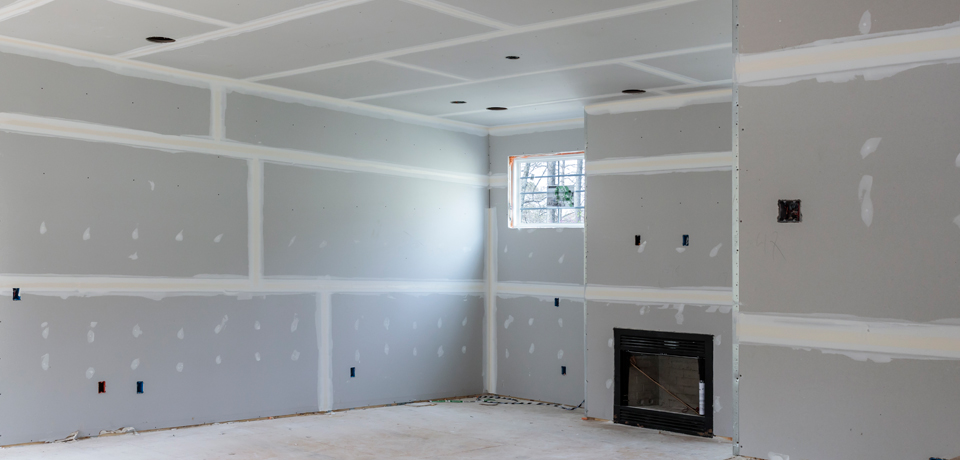
Finishing a basement is one of the most effective ways to increase living space and add value to a home. Whether you’re creating a family room, home office, guest suite, or entertainment area, drywall plays a crucial role in transforming an unfinished basement into a comfortable and functional space.
However, basement drywall installation differs from drywall projects in other areas of the home. Because basements are more susceptible to moisture, temperature fluctuations, and humidity, homeowners must carefully select materials and installation methods to ensure long-lasting results.
In this article, we’ll discuss what homeowners should know about basement drywall installation and how to avoid common issues.
Why Drywall Is Popular for Basement Finishing
Drywall is one of the most widely used materials for basement finishing because it provides a smooth, attractive surface that can be painted or decorated to match the rest of the home.
It is cost-effective, versatile, and relatively quick to install. When properly installed, drywall creates a polished appearance that makes a basement feel like a natural extension of the living space above.
However, successful basement drywall projects require proper planning and moisture management.
Understanding Basement Moisture Challenges
Before installing drywall, homeowners must address one of the biggest concerns associated with basements: moisture.
Basements are naturally more prone to dampness because they are located below ground level. Water infiltration, condensation, and high humidity can all create problems if not properly managed.
Installing drywall without first addressing moisture issues can lead to mold growth, staining, warping, and costly repairs.
Check for Water Problems First
Before beginning any drywall installation project, inspect the basement for signs of water intrusion.
Common warning signs include:
- Water stains on walls or floors
- Musty odors
- Visible mold or mildew
- Cracks in foundation walls
- Condensation on surfaces
Any moisture issues should be resolved before drywall installation begins. A dry basement provides the best foundation for long-lasting results.
Choosing the Right Type of Drywall
Not all drywall products are suitable for basement environments.
While standard drywall may be acceptable in dry, climate-controlled basements, many homeowners choose moisture-resistant drywall for added protection.
Moisture-resistant drywall is designed to withstand higher humidity levels and reduce the risk of mold growth. In areas with greater exposure to moisture, specialized mold-resistant products may provide additional benefits.
Selecting the appropriate drywall material helps protect your investment over time.
The Importance of Proper Insulation
Insulation and drywall work together to create a comfortable basement environment.
Proper insulation helps regulate temperature, improve energy efficiency, and reduce condensation. Without adequate insulation, temperature differences between interior and exterior surfaces can contribute to moisture problems.
Many basement finishing projects include insulation upgrades before drywall installation begins.
Framing Considerations
Drywall is typically installed over a framed wall system.
When framing basement walls, it is important to leave sufficient space between the framing and foundation walls if required by local building practices. This helps improve airflow and reduces the risk of moisture-related issues.
Proper framing also creates a stable structure that supports drywall panels and contributes to a professional finish.
Vapor Barriers and Moisture Protection
Depending on local climate conditions and building codes, vapor barriers may be recommended as part of the basement finishing process.
These barriers help control moisture movement through walls and reduce the risk of condensation behind drywall surfaces.
The need for vapor barriers varies by region, so homeowners should consult qualified professionals to determine the best approach for their specific situation.
Soundproofing Benefits
Many homeowners use basements as media rooms, home offices, gyms, or guest bedrooms.
Drywall installation provides an opportunity to improve sound control by incorporating soundproofing materials within the wall assembly. Additional insulation and specialized drywall products can help reduce noise transfer between floors and rooms.
This creates a quieter and more comfortable living environment.
Proper Drywall Finishing Techniques
The finishing stage is just as important as installation.
Professional finishing includes taping joints, applying joint compound, sanding surfaces, and creating smooth transitions between drywall panels. Proper finishing ensures walls appear seamless after painting.
Poor finishing work can lead to visible seams, cracks, and surface imperfections that detract from the appearance of the basement.
Painting and Surface Protection
After drywall installation and finishing are complete, painting provides both visual appeal and added protection.
Many homeowners choose high-quality paints with moisture-resistant properties for basement environments. Proper paint selection can help improve durability and simplify long-term maintenance.
Painting also allows homeowners to personalize the space and create a welcoming atmosphere.
Common Basement Drywall Mistakes
Several common mistakes can shorten the lifespan of basement drywall:
- Installing drywall before addressing moisture issues
- Using the wrong drywall products
- Skipping insulation improvements
- Poor ventilation planning
- Improper finishing techniques
- Ignoring signs of water intrusion
Avoiding these mistakes helps ensure a durable and successful project.
Long-Term Maintenance Tips
Maintaining basement drywall is relatively simple when moisture is properly controlled.
Homeowners should periodically inspect walls for signs of:
- Water stains
- Cracks
- Mold growth
- Peeling paint
- Soft or damaged areas
Addressing small issues early helps prevent larger and more expensive repairs in the future.
When Repairs Become Necessary
Even well-installed drywall may eventually require maintenance or repairs.
Accidental damage, settling, or unexpected moisture issues can create cracks, dents, or other imperfections. Prompt repairs help maintain the appearance and functionality of finished basement spaces.
Professional drywall repair services can restore damaged areas and prevent problems from spreading.
Why Professional Installation Matters
Basement drywall installation requires knowledge of moisture control, framing, insulation, and finishing techniques.
An experienced drywall Contractor understands the unique challenges associated with basement environments and can recommend the best materials and installation methods.
Professional workmanship helps reduce future maintenance issues while ensuring a polished and durable result.
For homeowners dealing with existing damage or finishing a basement renovation, reliable drywall repair services can help maintain the quality and appearance of basement walls over time.
Drywall installation is a key part of transforming an unfinished basement into a comfortable and functional living space. However, basement projects require special attention to moisture control, insulation, material selection, and proper finishing techniques.
By addressing potential moisture issues, choosing the right drywall products, and working with qualified professionals, homeowners can create attractive basement spaces that remain durable for years to come.
A properly installed drywall system not only improves appearance but also contributes to the comfort, value, and long-term performance of the entire home.