Michael Caine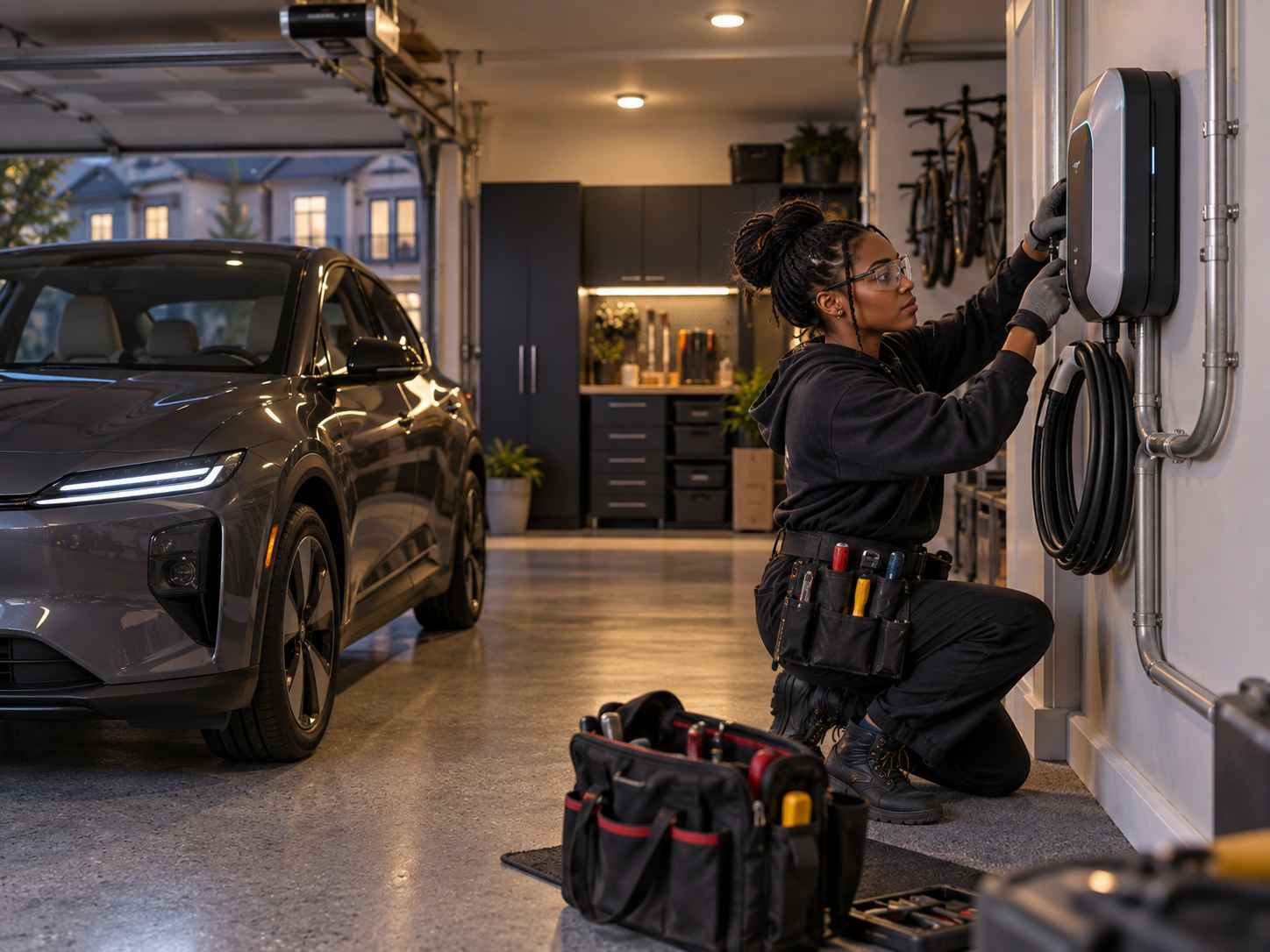
More Toronto homeowners are adding equipment that places greater demand on their electrical systems. EV chargers, heat pumps, induction ranges, electric water heaters and major renovations can all increase the amount of power a home needs.
If you are planning several electrical upgrades, it may be time to consider service upgrades in Toronto.
A 100-amp service may still be perfectly adequate for some properties. For others, especially homes moving toward greater electrification, increasing the available electrical capacity can provide room for both current and future equipment.
Why 100-Amp Service Can Become a Limitation
A 100-amp electrical service was sufficient for many Toronto homes when a large portion of household energy demand came from natural gas.
Heating, hot water and cooking may all have been gas-powered, leaving electricity mainly for lighting, receptacles and a smaller number of major appliances.
Today, a homeowner may want to add:
- A Level 2 EV charger
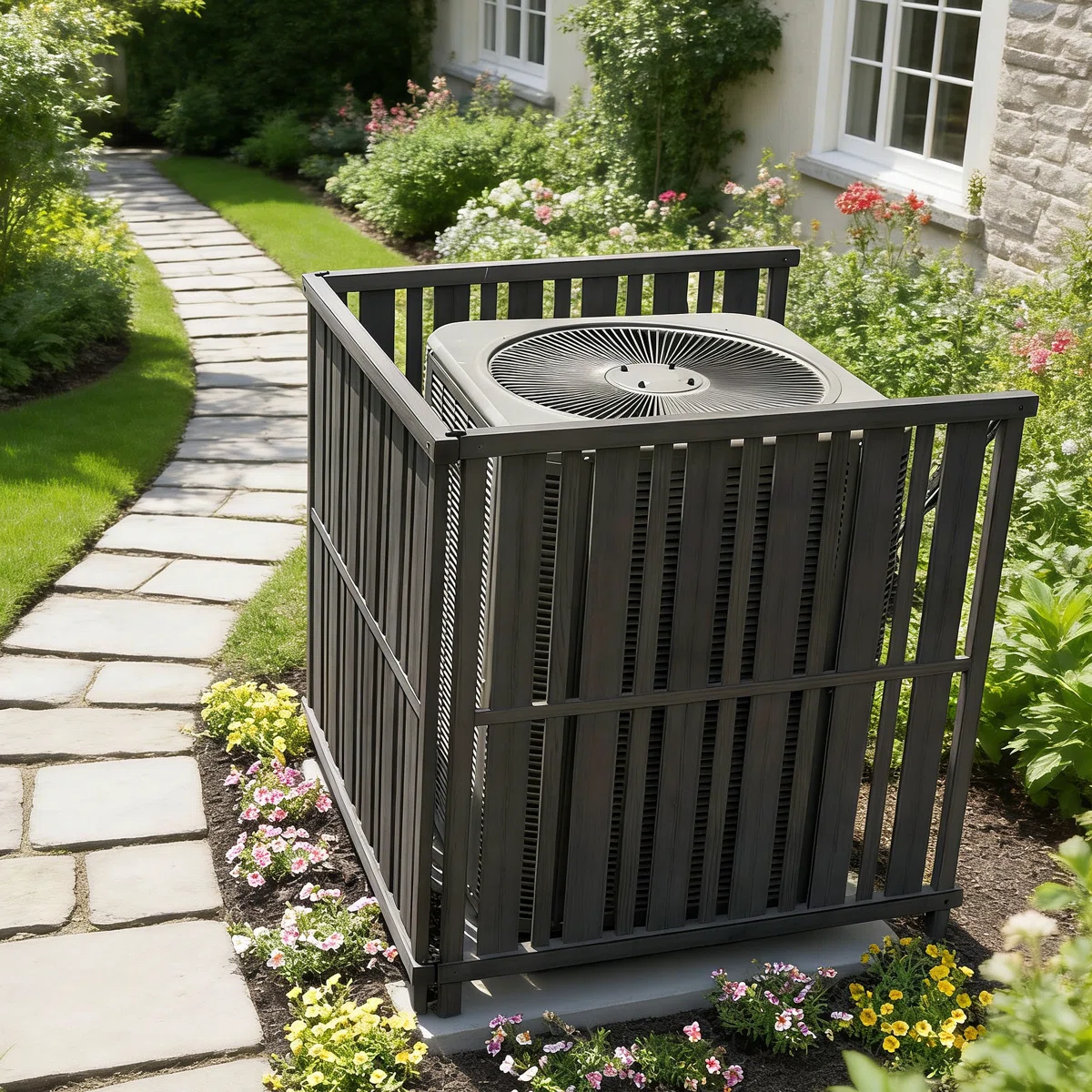
- A heat pump
- An induction range
- An electric dryer
- Electric water heating
- Central air conditioning
- A hot tub
- A finished basement
- Additional kitchen appliances
Each of these can increase the electrical demand on the home.
That does not mean a 100-amp service automatically becomes inadequate. The answer depends on the existing equipment, calculated load and what the homeowner plans to add.
Do You Need 200 Amps for an EV Charger?
Not necessarily.
One of the most common assumptions about home EV charging is that a Level 2 charger automatically requires a 200-amp electrical service.
That is not true for every property.
The charger output matters, but so does everything else already using electricity in the home.
For example, a 100-amp property with gas heating, gas water heating and relatively modest electrical demand may have more available capacity than another 100-amp home with electric heating and several large appliances.
That is why the decision should begin with an electrical load calculation rather than the service rating alone.
Charger Output Matters
Not every Level 2 charger uses the same amount of power.
A homeowner who drives a relatively short distance each day may not need the highest charging rate available.
A lower charging rate can still replenish the battery overnight while placing less demand on the electrical system.
The vehicle itself also has a maximum AC charging rate. Installing a more powerful charger than the vehicle can accept does not necessarily make charging faster.
Choosing the charging setup around actual driving needs can sometimes reduce unnecessary electrical work.
Can Load Management Help?
In some homes, energy-management equipment may provide another option.
A load-management system can control the EV charger based on how much electricity the rest of the house is using.
If household demand is high, EV charging can be reduced or paused. When electrical demand drops, charging can resume.
This can be especially practical for homeowners who charge primarily overnight.
Load management is not appropriate for every installation, but it is one of the options that can be considered before assuming that a full electrical service upgrade is required.
What About a Heat Pump?
Heat pumps are another reason Toronto homeowners are evaluating their electrical capacity.
The electrical requirements depend on the specific system being installed.
Some heat pumps have relatively moderate electrical demand, while other systems may include electric backup heating that adds a significant load.
The rest of the home’s equipment matters too.
A homeowner replacing gas heating with a heat pump may also be planning an EV charger, induction range or electric water heater.
Considering these upgrades together provides a much clearer picture of the electrical capacity the property may need.
Renovations Can Change the Calculation
Major renovations can significantly change a home’s electrical requirements.
A renovated kitchen may add:
- An induction cooktop
- A wall oven
- Additional countertop circuits
- A dishwasher
- A larger refrigerator
- Other built-in appliances
A finished basement may require additional lighting, receptacles, heating equipment and dedicated circuits.
A home addition can increase general electrical demand as well as heating and cooling requirements.
If a renovation is already planned, electrical capacity should be evaluated before construction gets too far along.
It is much easier to account for a service upgrade during the planning stage than to discover a capacity problem after new equipment has already been purchased.
What Does a 200-Amp Service Upgrade Involve?
Upgrading from 100 amps to 200 amps is more involved than installing a larger main breaker.
Depending on the property, the project may involve:
- A new electrical panel
- New service conductors
- Meter equipment changes
- Grounding and bonding work
- Utility coordination
- ESA notification and inspection requirements
The exact scope varies from one Toronto home to another.
The existing service configuration, meter location and utility connection can all affect the work required.
When Does 200-Amp Service Make Sense?
A 200-amp service may make sense when the calculated electrical demand is approaching or exceeding the capacity of the existing service.
It may also be worth considering when a homeowner has several future electrical upgrades planned.
For example, one EV charger by itself may not require a service increase.
But the combination of an EV charger, heat pump, induction cooking, electric water heating and other large loads can create a very different situation.
Looking at the entire home provides a better basis for deciding whether additional capacity is worthwhile.
Think About Future Electrical Needs
Many Toronto homeowners are electrifying their homes gradually.
An EV may come first.
A heat pump might be installed a few years later.
The next kitchen renovation could introduce induction cooking.
Planning ahead can help homeowners avoid making electrical changes repeatedly as each new project comes along.
At the same time, there is no reason to increase service capacity simply because 200 amps sounds more modern.
If the existing service can safely handle the home’s current and expected loads, an upgrade may not be necessary.
Start With a Load Calculation
The best starting point is an assessment of the home’s actual electrical demand.
An electrician can review the existing equipment, calculate the load and consider any major appliances or systems you plan to add.
That assessment may show that the current service is sufficient.
It may identify load management as an option.
Or it may show that increasing the electrical service is the most practical long-term solution.
For Toronto homeowners planning EV charging, heating changes or major renovations, checking electrical capacity early can make the rest of the project easier to plan.
XBOCT (XB) Electric Inc, (647) 401-7444, 24/7 Licensed Electrical Contractor serving the GTA.