Michael Caine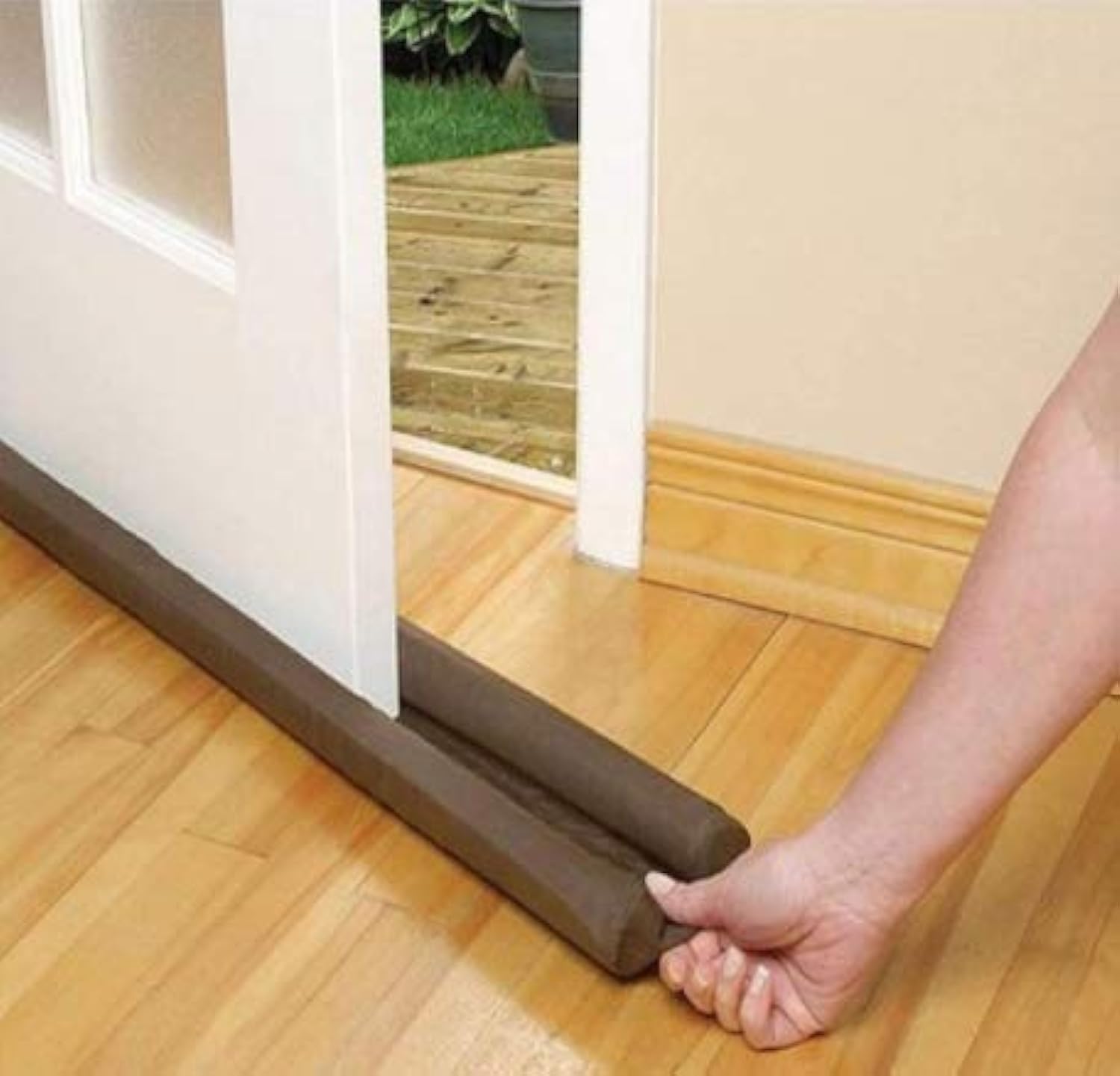
A worn exterior door threshold can allow cold air, rain, dust, and insects to enter around the bottom of a door. Door threshold maintenance should focus on the entire lower-door seal, including the threshold, door sweep, weatherstripping, fasteners, and nearby frame.
The most useful test is simple: identify exactly where air or water is crossing the opening before replacing parts.
Inspect the Bottom Edge of the Door
Open the door and examine the sweep or bottom seal. Torn vinyl, flattened rubber, missing sections, or a visible gap can reduce contact with the threshold.
Next, close the door and look across the bottom from indoors. Uneven daylight may indicate a worn seal, a threshold set at the wrong height, or a door that has shifted.
Check Door Alignment First
A good seal can’t compensate for a badly misaligned door.
Homeowners planning several repair tasks together can use practical property improvement ideas as part of a broader seasonal maintenance list.
Adjust an Adjustable Threshold Carefully
Some thresholds include screws that raise or lower the sealing surface. Small adjustments can improve contact with the door sweep without making the door difficult to close.
Raise the threshold only enough to create consistent sealing pressure. Excessive height can cause rubbing, premature wear, or trouble latching the door.
General house maintenance resources may also help when combining threshold adjustments with weatherstripping and exterior caulk checks.
| Symptom | Likely Area to Check | Possible Action |
|---|---|---|
| Draft at bottom | Sweep or threshold | Adjust or replace |
| Water at corners | Frame and seal | Inspect joints |
| Door drags | Alignment or threshold | Correct clearance |
| Loose threshold | Fasteners/subfloor | Secure and inspect |
Stop Moisture Around the Threshold Edges
Water doesn’t always enter beneath the door itself. Failed sealant at the ends of a threshold or gaps between the frame and adjacent materials can let rain penetrate around the assembly.
Inspect corners after wind-driven rain. Dampness concentrated at one side may point to a localized opening instead of a full-width sealing problem.
For homeowners thinking about entrance appearance as well as performance, residential styling ideas can help coordinate practical repairs with future exterior updates.
Examine the Material Beneath the Threshold
A threshold that repeatedly loosens may be telling you something about the surface underneath. Moisture-damaged wood can lose its ability to hold screws securely.
Don’t keep tightening fasteners indefinitely if they no longer grip. Inspect the substrate and nearby jamb areas for softness, staining, swelling, or other evidence of water exposure.
Correcting hidden deterioration may be more important than replacing the visible threshold itself.
Common Threshold Repairs That Fail
Replacing the sweep without checking door alignment can leave the original gap almost unchanged. Likewise, adding thick weatherstripping everywhere may make the door difficult to close without stopping water at the actual leak.
Another mistake is sealing every visible opening without understanding how the sill assembly manages water. Exterior door systems can include joints and drainage details that vary by construction. Find the entry point first, then repair the component responsible for it.
Frequently Asked Questions
How can I tell whether my door threshold is too low?
Look for visible daylight, drafts, or little contact between the sweep and threshold. An adjustable threshold may need a slight increase if the door remains properly aligned.
Why is water entering only at one door corner?
Localized moisture may come from failed sealant, damaged weatherstripping, frame gaps, poor exterior drainage, or wind-driven rain reaching one side more heavily.
Should the door sweep touch the threshold?
It generally needs enough contact to form a seal without dragging heavily. Excessive pressure can make the door difficult to operate and shorten the life of the sweep.
Test the Door After Every Adjustment
Threshold maintenance works best through small, measured corrections. Check alignment, inspect seals, tighten secure fasteners, and repair only the gaps that are actually allowing air or water through.
After each change, close and operate the door several times. Then recheck the opening during windy weather or rain so you know the repair improved performance without creating a new problem.