Michael Caine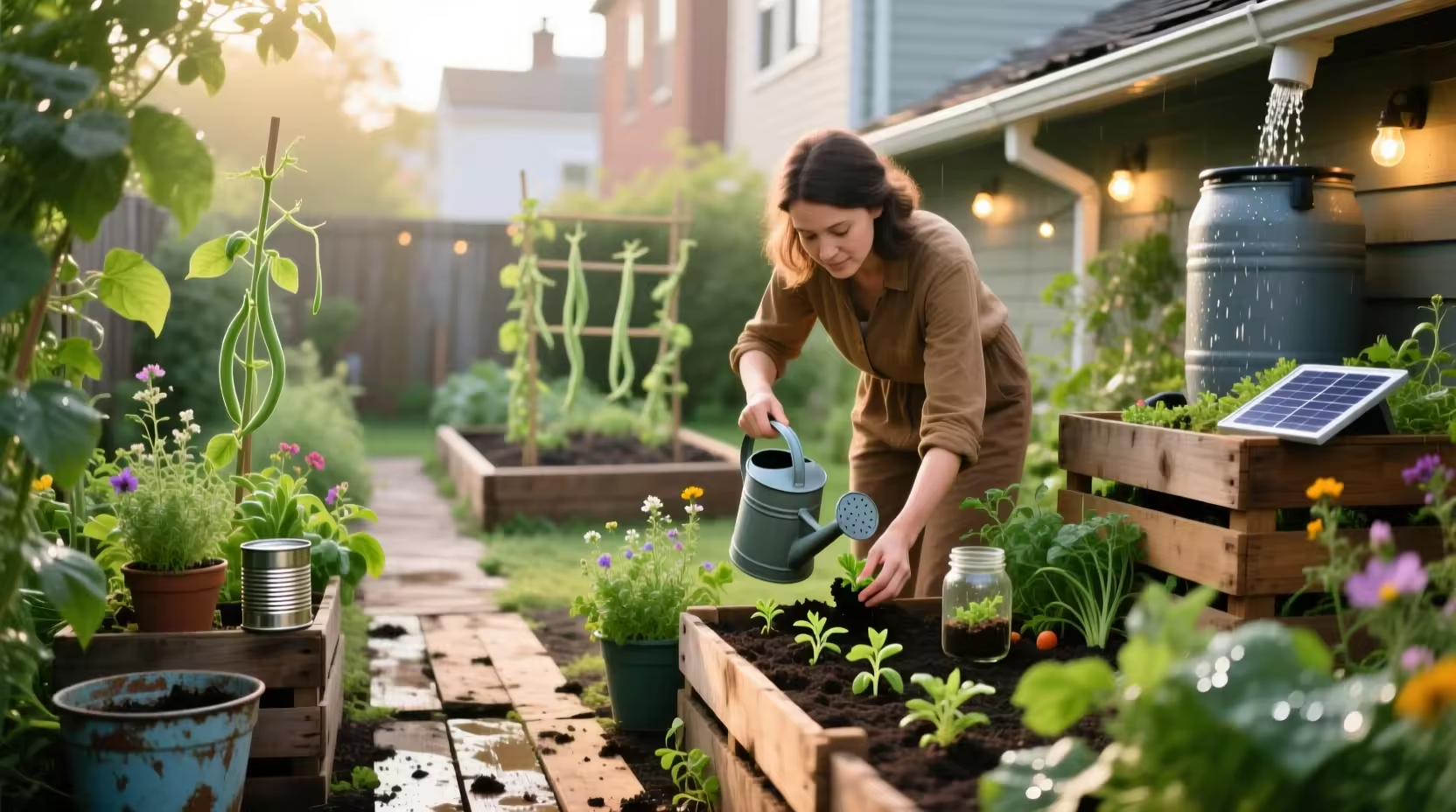
Gardening doesn’t have to be an expensive, resource-heavy hobby. In fact, some of the most effective sustainable gardening practices are also the ones that save you the most money over time. By using water more efficiently and cutting down on unnecessary purchases, sustainable gardening lets you grow a thriving garden while keeping both your environmental footprint and your bills low.
Mulch Like You Mean It
A generous layer of mulch—two to three inches of wood chips, straw, or shredded leaves—is one of the single most effective sustainable gardening techniques for conserving water. Mulch slows evaporation, suppresses weeds that compete for water, and breaks down over time to improve soil structure. Best of all, many mulch materials are free if you use fallen leaves, grass clippings, or wood chips from a local tree service.
Water at the Right Time
Watering during the cool hours of early morning dramatically reduces water lost to evaporation compared to watering in the heat of midday. This simple habit is one of the easiest sustainable gardening changes to make. Evening watering can work too, but it sometimes leaves foliage damp overnight, which can encourage fungal problems.
Switch to Drip Irrigation
Sprinklers can lose a significant amount of water to evaporation and overspray onto paths and driveways. Drip irrigation delivers water directly to the root zone, where plants actually need it, and it’s a favorite sustainable gardening upgrade among experienced growers. While there’s an upfront cost to set up a drip system, it pays for itself over a season or two in reduced water bills.
Harvest Rainwater
Installing a rain barrel under a downspout is one of the most cost-effective sustainable gardening upgrades you can make. A single barrel can capture hundreds of liters during a good rainfall, giving you a free water source for weeks. Over a full growing season, this can meaningfully reduce your municipal water usage and your bill.
Group Plants by Water Needs
Hydrozoning—grouping plants with similar water requirements together—is a sustainable gardening layout decision made once at planting time that keeps paying off for the entire life of your garden. This simple choice means you’re not overwatering drought-tolerant plants or underwatering thirsty ones.
Choose Drought-Tolerant Plants
Filling your garden with plants naturally suited to your climate reduces your reliance on supplemental watering altogether, which is at the heart of sustainable gardening. Lavender, sedum, ornamental grasses, and many native perennials thrive on rainfall alone once established, cutting your water bill without sacrificing beauty.
Grow From Seed
Buying established plants from a nursery is convenient, but growing from seed is dramatically cheaper and more in line with sustainable gardening, since it avoids the plastic pots, transport emissions, and peat-based potting mixes associated with commercial nursery stock. A packet of seeds can produce dozens of plants for the price of one or two nursery seedlings.
Save and Swap Seeds
At the end of the season, save seeds from your best-performing vegetables and flowers instead of buying new packets next year. Better still, join a local seed swap or gardening group—trading seeds and divided perennials with neighbors is a time-honored sustainable gardening tradition that costs nothing.
Make Your Own Compost
Store-bought compost and fertilizer add up quickly, especially for larger gardens. A simple compost bin turns kitchen scraps and yard waste into free, nutrient-rich soil amendment, cutting your fertilizer costs while reducing household waste sent to landfill—another easy win for sustainable gardening.
Share Tools and Equipment
Items like tillers, chippers, and large tools are often used only a handful of times a year. Sharing or borrowing these with neighbors, or joining a local tool library, reflects the same sustainable gardening spirit as composting or seed saving, and it saves everyone money on purchases they rarely need.
Final Thoughts
Sustainable gardening and frugal gardening go hand in hand more often than people expect. Water-saving techniques like mulching, drip irrigation, and rainwater harvesting reduce your bills while conserving a precious resource, and cost-saving habits like seed saving and composting build a garden that becomes more self-sufficient every year through sustainable gardening.